The element
Fire from under the earth
Beneath Absheron lie vast reserves of natural gas and oil. In places the gas seeps to the surface and ignites by itself; such eternal fires astonished travellers since antiquity and gave Azerbaijan its name, the “Land of Fire”.
Fire-worshippers came to these flames, and in modern times the same depths brought wealth: in the 19th–20th centuries Baku and Absheron became one of the main centres of the world oil industry.
Oil here is not merely a resource but a destiny: it shaped the look of the peninsula, its city, its people and even world energy.
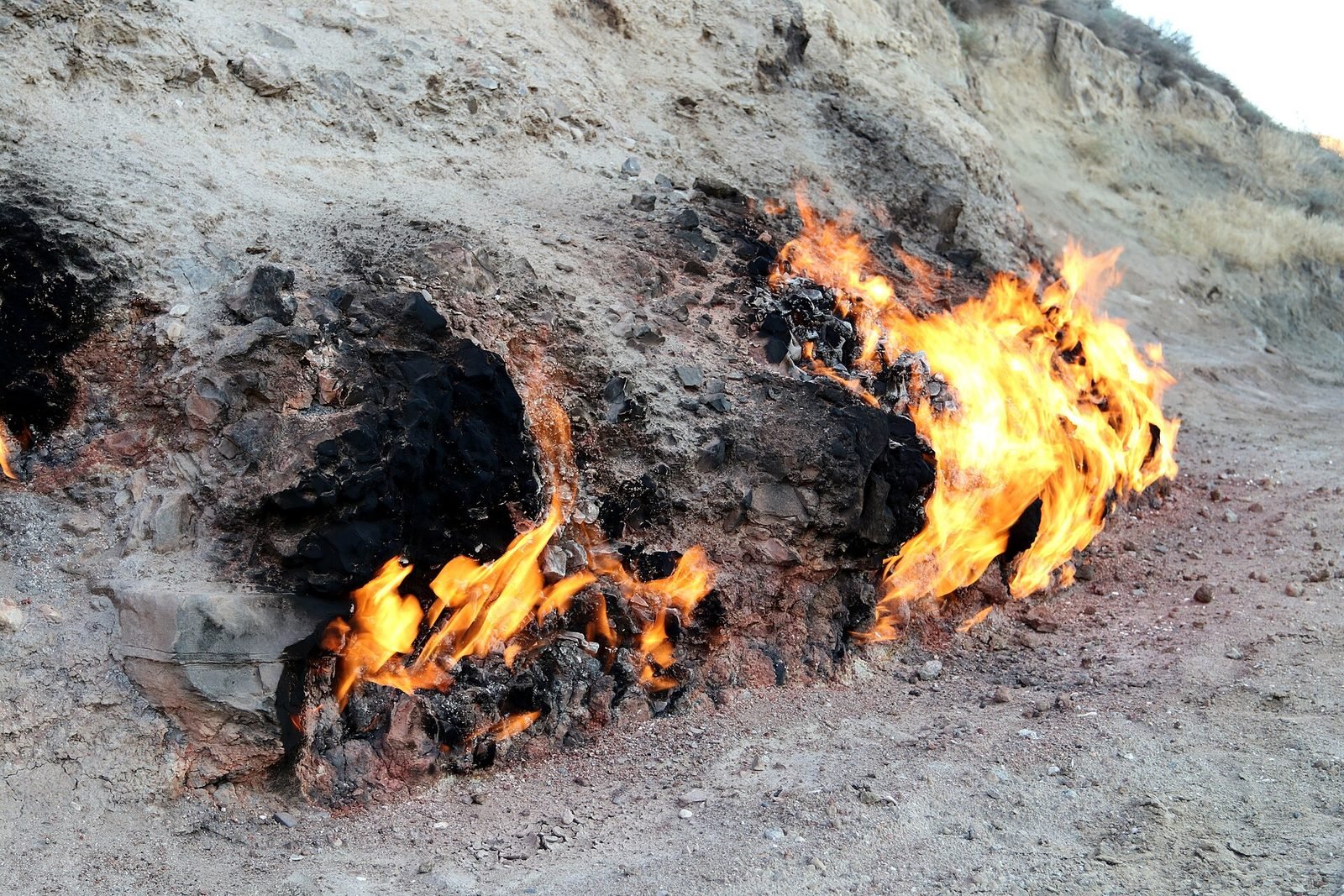
Yanar Dag
The “burning mountain” — a slope where flame bursts ceaselessly from the earth. It does not go out in rain or snow. One of the symbols of fiery Absheron.
Ateshgah
The fire temple at Surakhani, which for centuries drew Zoroastrians, Hindus and Sikhs to a place where natural gas burned.
Dedicated site →The oil boom
At the turn of the 19th–20th centuries Baku produced about half of all the world’s oil; the Nobels and Rothschilds came here, and Absheron grew a forest of derricks.
Oil Rocks
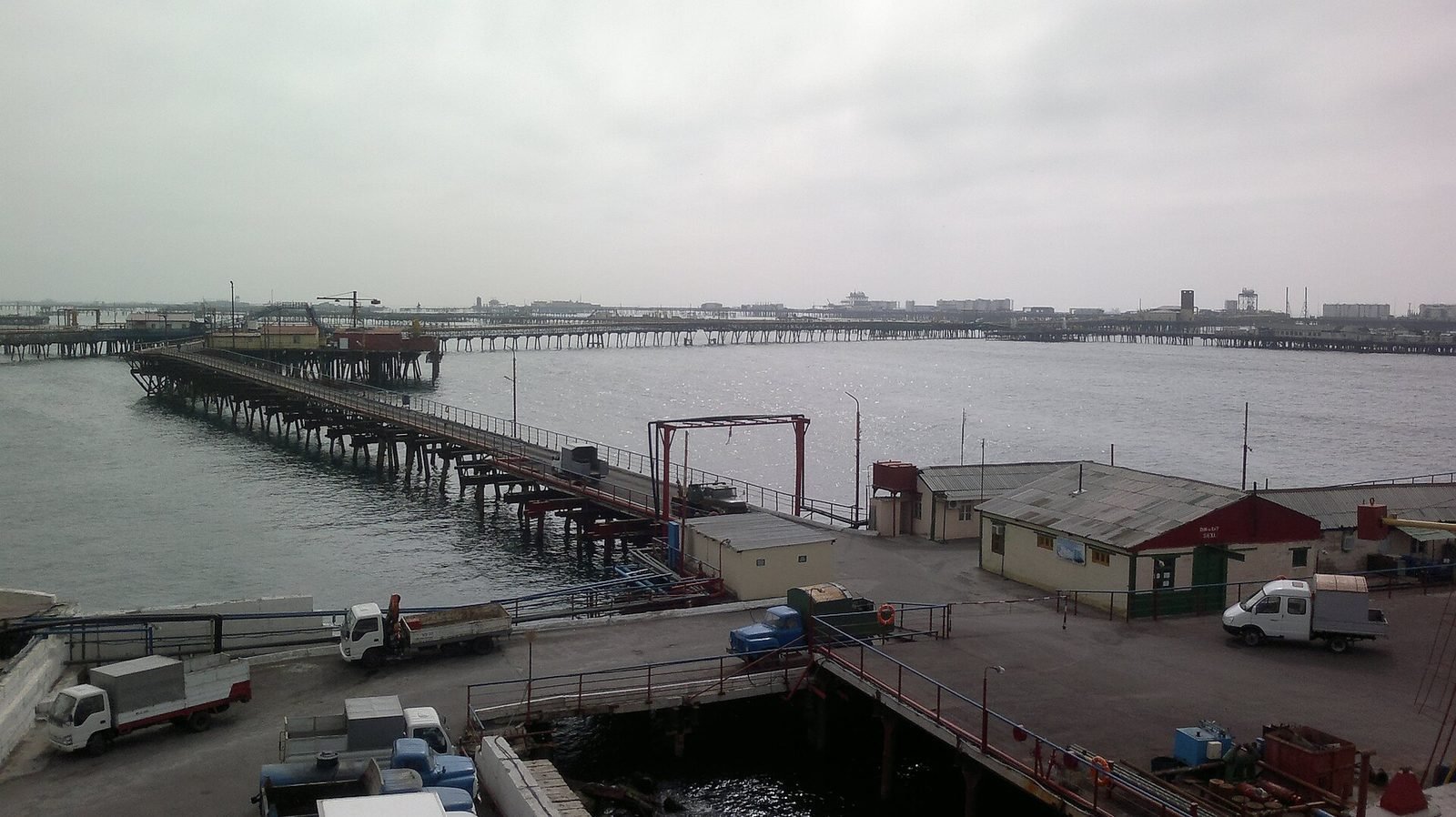
Neft Daşları — an oil workers’ settlement on stilts in the open sea, founded in 1949; one of the oldest offshore fields on the planet.
Mud volcanoes
Near Absheron are dozens of mud volcanoes: they erupt clay and gas, which sometimes ignites — another sign of the activity of the depths.
Gas today
Caspian oil and gas remain the basis of the country’s economy; they are extracted both on the land of Absheron and far out in the open sea.
History of oil
Baku oil: milestones
Absheron is one of the cradles of the world oil industry. The key dates of that history.
 Neft Daşları
A city at sea
The Oil Rocks
Dozens of kilometres from shore, right in the Caspian, stands a whole city on trestles — the Oil Rocks. It has roads, dwellings, canteens and even greenery, all on stilts above the sea.
Founded in 1949, it became one of the oldest and most unusual offshore oil fields in the world and a true symbol of Baku oil.